Skip to content

Smoke alarms are one of the simplest and most effective safety tools in any home—yet they’re often overlooked, improperly installed, or poorly maintained. For homeowners in Southern Maryland, understanding how to properly place, maintain, and comply with Maryland smoke alarm requirements can make a life-saving difference.
Whether you live in a single-family home, townhouse, or older property, this guide covers smoke alarm safety tips for Southern Maryland homeowners, including placement, Maryland laws, maintenance checklists, and common mistakes to avoid.
Why Smoke Alarms Are Essential in Every Maryland Home
House fires can spread rapidly, often producing thick smoke before flames are visible. Smoke inhalation is one of the leading causes of fire-related injuries, which is why early detection is so critical.
Smoke alarms provide:
Early warning so families can escape quickly
Protection while sleeping, when fires often go unnoticed
Added peace of mind for homeowners and families
In Southern Maryland, where many homes include multiple levels, finished basements, or attached garages, proper smoke alarm placement is especially important to ensure full coverage throughout the home.
Maryland Smoke Alarm Laws & Requirements
Understanding Maryland smoke alarm laws helps homeowners stay compliant while improving household safety.
Where Smoke Alarms Are Required
Maryland law generally requires smoke alarms:
Inside each sleeping area or bedroom
Outside sleeping areas, such as hallways
On every level of the home, including basements
Homes with multiple floors must have alarms on each level to ensure smoke is detected regardless of where a fire starts.
Older Homes vs. Newer Homes
Newer homes often require interconnected smoke alarms, meaning when one alarm sounds, all alarms sound.
Older homes may still use battery-powered units, but upgrading to interconnected systems is strongly recommended for improved safety.
What Southern Maryland Homeowners Should Know
Homeowners are responsible for maintaining working smoke alarms
Rental properties have additional compliance responsibilities
Non-functioning alarms can increase risk and liability
Staying compliant not only protects your family—it also protects your investment.
Smoke Alarm Placement Guide for Southern Maryland Homes
Correct placement is just as important as having smoke alarms installed.
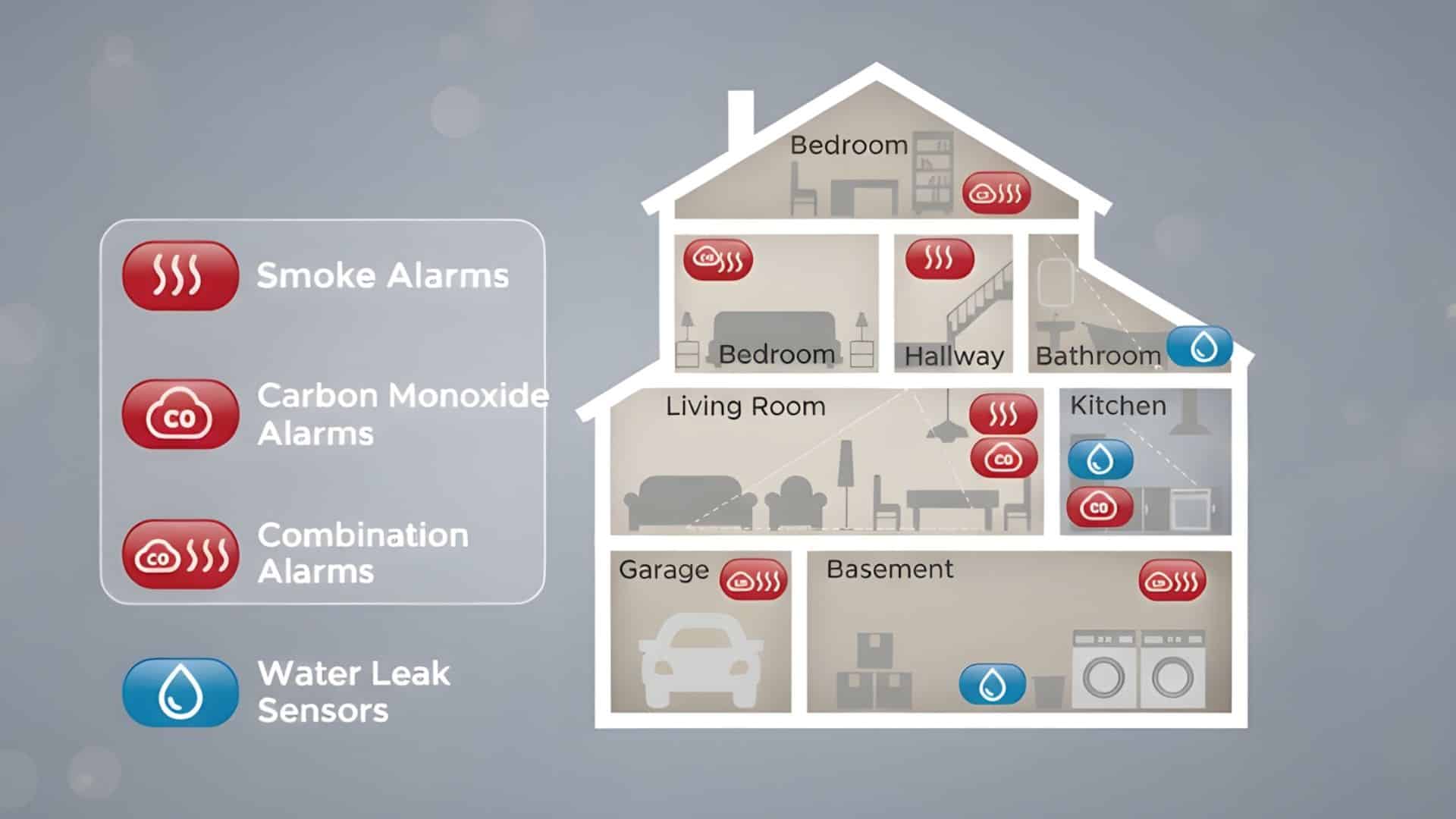
Best Locations for Smoke Alarms
For optimal coverage, install smoke alarms:
Inside each bedroom
In hallways outside sleeping areas
In living rooms or family rooms
In basements, especially near stairways
Multi-story homes common in Southern Maryland should have alarms on every level, including finished basements.
Areas to Avoid
Avoid placing smoke alarms:
Directly inside kitchens (false alarms from cooking)
Inside bathrooms (steam can trigger alarms)
Near air vents, fans, or windows
Too close to fireplaces or heating appliances
Proper distance helps prevent nuisance alarms while maintaining safety.
Types of Smoke Alarms Explained
Choosing the right type of smoke alarm can improve detection and reduce false alerts.
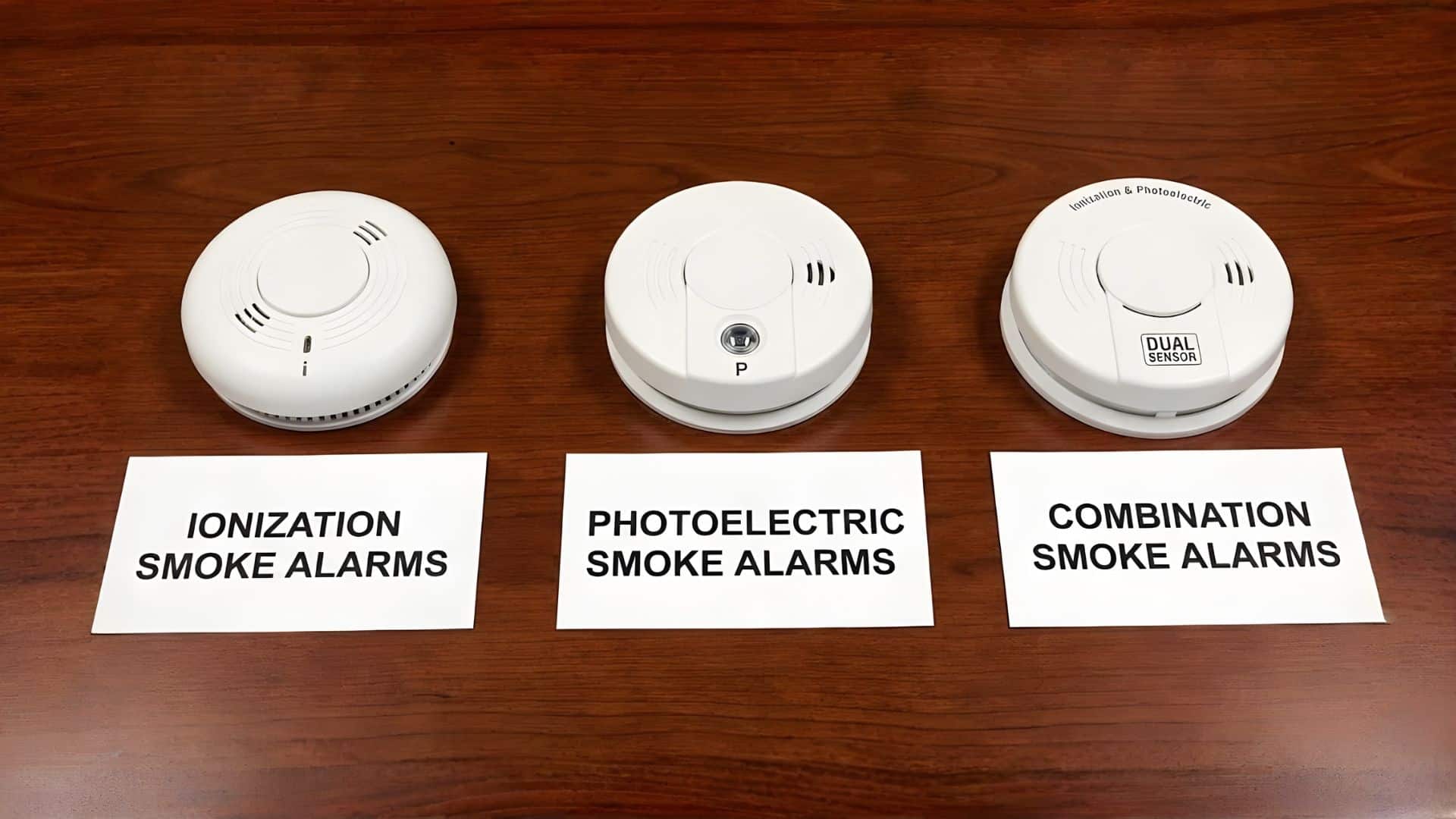
Ionization Smoke Alarms
Detect fast-flaming fires
More sensitive to small smoke particles
Can trigger false alarms near kitchens
Photoelectric Smoke Alarms
Better at detecting smoldering fires
Less prone to false alarms
Ideal for living spaces and hallways
Combination Smoke Alarms
Use both ionization and photoelectric technology
Offer broader protection
A popular choice for Maryland homeowners
Selecting the right type for each area of your home increases overall effectiveness.
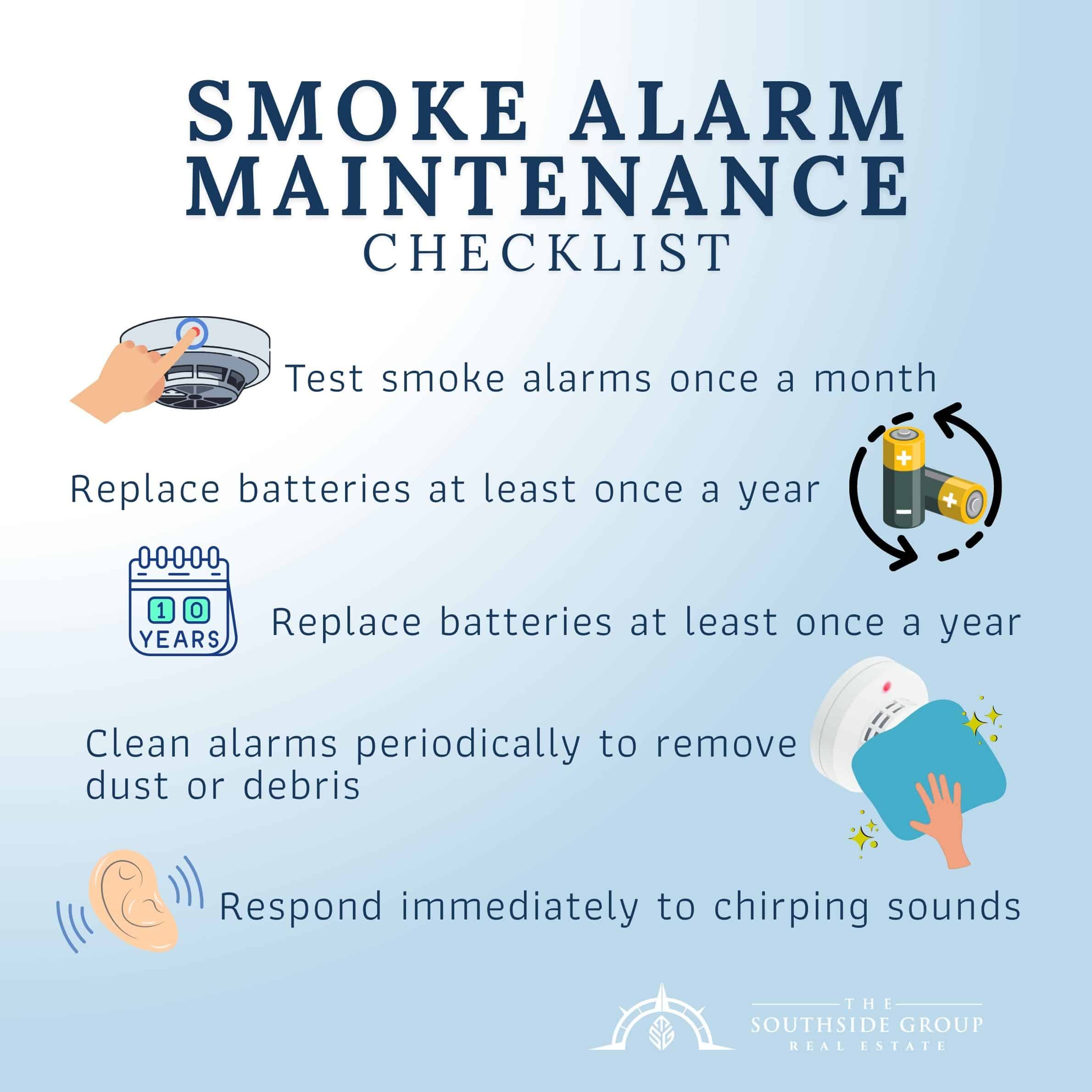
Smoke Alarm Maintenance Checklist
Regular maintenance ensures smoke alarms work when you need them most. This smoke alarm maintenance checklist is easy to follow:
Test smoke alarms once a month
Replace batteries at least once a year
Replace smoke alarms entirely every 10 years
Clean alarms periodically to remove dust or debris
Respond immediately to chirping sounds
A few minutes of maintenance can prevent costly damage and improve home safety.
How Many Smoke Alarms Does a Home Need?
The number of smoke alarms depends on your home’s size and layout.
General guidance:
One alarm inside every bedroom
One alarm outside each sleeping area
One alarm on every floor of the home
Additional alarms for finished basements
Townhomes, split-level homes, and larger properties common in Southern Maryland may require additional units to ensure proper coverage.
Common Smoke Alarm Mistakes Homeowners Make
Even well-intentioned homeowners can make mistakes that reduce smoke alarm effectiveness.
Common issues include:
Forgetting to replace old or expired alarms
Ignoring chirping or low-battery warnings
Disabling alarms after nuisance alerts
Improper placement near kitchens or bathrooms
Failing to test alarms regularly
Avoiding these mistakes helps keep your home protected year-round.
Smoke Alarm Safety Tips for Families & Homeowners
Smoke alarms work best when paired with a clear fire safety plan.
Helpful tips:
Create and practice a home fire escape plan
Teach children what smoke alarms sound like
Designate a safe outdoor meeting location
Keep hallways and exits clear
Review safety plans annually
Preparedness ensures everyone knows what to do if an alarm sounds.
Protecting Your Southern Maryland Home
Smoke alarms are a small investment with a big impact. By following proper placement guidelines, understanding Maryland smoke alarm requirements, and maintaining your alarms regularly, you can significantly reduce risk and improve safety for your household.
For Southern Maryland homeowners, staying proactive with smoke alarm safety helps protect families, property, and peace of mind.
Call to Action
Take a few minutes today to:
Check your smoke alarms
Test batteries
Review your home’s fire safety plan
If this guide was helpful, consider sharing it with neighbors, friends, or family to help make Southern Maryland homes safer.