Skip to content


What is Pre-Approval (And How Is It Different from Pre-Qualification)?
When starting your home buying journey, you’ll likely hear the terms “pre-qualification” and “pre-approval” thrown around. While they may sound similar, they serve very different purposes.
Pre-qualification is a rough estimate of what you might be able to borrow. It’s usually based on self-reported financial info and takes just minutes.
Pre-approval, on the other hand, is a verified financial review conducted by a lender. You’ll submit real documents (like pay stubs, W-2s, and tax returns), and the lender will provide a pre-approval letter that shows you’re serious and financially capable of buying a home.
If you’re wondering how to get pre-approved for a mortgage in Maryland, the process typically involves:
- Completing a mortgage application
- Supplying financial documents
- Running a credit check
- Getting your debt-to-income ratio evaluated
This process usually takes 24–72 hours once all documents are submitted.
To make the most of your pre-approval, it’s important to choose the right lender for your needs—check out our guide on Things to Look for When Choosing a Mortgage Lender to help you get started.
Why Pre-Approval Matters for First-Time Buyers

In a competitive market like Southern Maryland, homes can go under contract fast. Without pre-approval, you may fall in love with a property only to miss out because you’re not financially vetted yet.
Here are key benefits of being pre-approved:
- Stronger Offers: Sellers are more likely to accept offers backed by a pre-approval letter.
- Clear Budgeting: Know exactly how much you can afford and shop within your range. Use our Mortgage Calculator to estimate your monthly payments and determine a comfortable price point before you start shopping..
- Faster Closing: Lenders already have your documents, which means fewer delays.
Whether you’re working with a real estate agent for first time buyers in Maryland or attending a free home buyer seminar near me, you’ll hear this advice often: get pre-approved before you start house hunting. Learn how to get pre-approved for a mortgage in Maryland.
Pre-Approval Checklist for Home Buyers
To get ahead in the home buying process, start gathering these documents:
- Proof of Income: W-2 statements, pay stubs, and tax returns (2 years)
- Proof of Assets: Bank statements, investment accounts, etc.
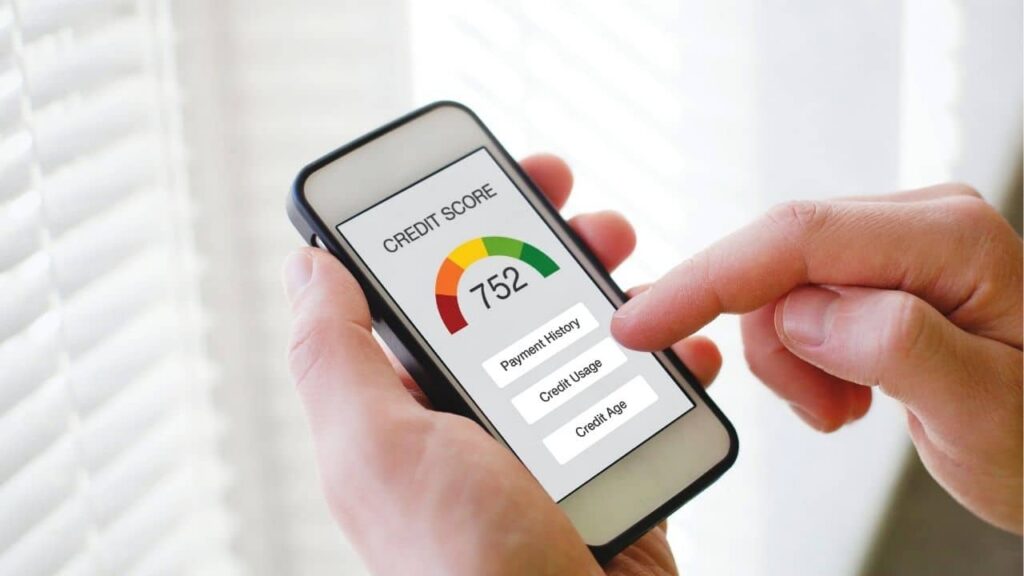
- Credit Information: Lenders will pull your credit score (minimum scores vary)
- Employment Verification: Contact info for your current employer
- Identification: Government-issued ID, Social Security Number
Pro Tip: Lenders in Maryland may have specific requirements, especially if you’re applying for first-time home buyer programs or down payment assistance. Always check in advance.
🔎 Looking for a lender to help you get started? Click here
Understanding Your Real Budget
Getting pre-approved shows the maximum amount a lender is willing to finance, but that number doesn’t always align with what you’re truly comfortable paying each month. A smart homebuyer goes beyond the lender’s figure and builds a realistic budget that works for their lifestyle.
When mapping out your monthly expenses, consider:
- Mortgage Payment (Principal + Interest): This is the bulk of your payment and depends on your loan amount, interest rate, and loan term.
- Property Taxes: These vary by location and can be a significant portion of your monthly housing cost.
- Homeowner’s Insurance: Protects your home and belongings; costs depend on the property’s value, location, and coverage level.
- HOA or Condo Fees (if applicable): Covers shared amenities, maintenance, and community services—sometimes monthly, quarterly, or annually.
- Utilities: Include electric, gas, water, sewer, trash, and internet. Research local averages so you’re not surprised.
- Maintenance & Upkeep: Budget for routine care like lawn service, HVAC servicing, pest control, and seasonal maintenance.
- Emergency Fund for Repairs: A good rule of thumb is to set aside 1–3% of your home’s value annually for unexpected issues like roof leaks, plumbing repairs, or appliance replacements.
Tip: During the pre-approval process, ask your lender for a detailed cost breakdown based on the home price range you’re considering. Having accurate numbers in hand will prevent unpleasant surprises and help you shop with confidence.

Common First-Time Buyer Mistakes to Avoid

Even with pre-approval, some missteps can jeopardize your mortgage before closing:
- Changing jobs or income sources
- Opening new credit cards or financing big purchases
- Making large bank deposits without a paper trail
- Skipping pre-approval altogether
- Underestimating closing costs (budget 2–5%)
Being aware of these risks can save you major stress during the final steps.
💡 Need help navigating these common mistakes? Check out our first-time home buyer guide—it’s packed with expert advice, budgeting tips, and local programs for Maryland buyers.
What Happens After You’re Pre-Approved?
Once you’re pre-approved:
- You’ll receive a pre-approval letter (valid for 60–90 days)
- You can begin house hunting seriously
- Lenders will recheck your credit before closing
- You must avoid major financial changes
Important: Pre-approval isn’t final approval. Only the closing table confirms that.
Confidence Checklist: Are You Market Ready?

Before you hit the open house trail, ask yourself:
- Have I reviewed and improved my credit?
- Do I have funds saved for down payment and closing costs?
- Am I pre-approved and ready to act fast?
- Have I listed my must-haves and nice-to-haves?
- Do I have a trusted agent and lender by my side?
If you can check most of these off, you’re in a strong position to start shopping smart.