Skip to content


Myth #1: You Need 20% Down to Buy a Home
The idea that buyers need a 20% down payment is one of the most stubborn myths in real estate. While putting 20% down can help reduce mortgage insurance, it’s absolutely not required.
- Conventional loans allow as little as 3% down.
- FHA loans start at 3.5% down, making them a popular choice for first‑time buyers.
- VA and USDA loans offer 0% down options for eligible borrowers.
Takeaway: Don’t let the 20% myth delay your goals. There are dozens of programs designed to make homeownership accessible sooner.
Myth #2: You Need Perfect Credit
Another common misconception? That you need an exceptional credit score to qualify for a mortgage. While a strong score can unlock the best rates, you don’t need “perfect” credit to buy a home.
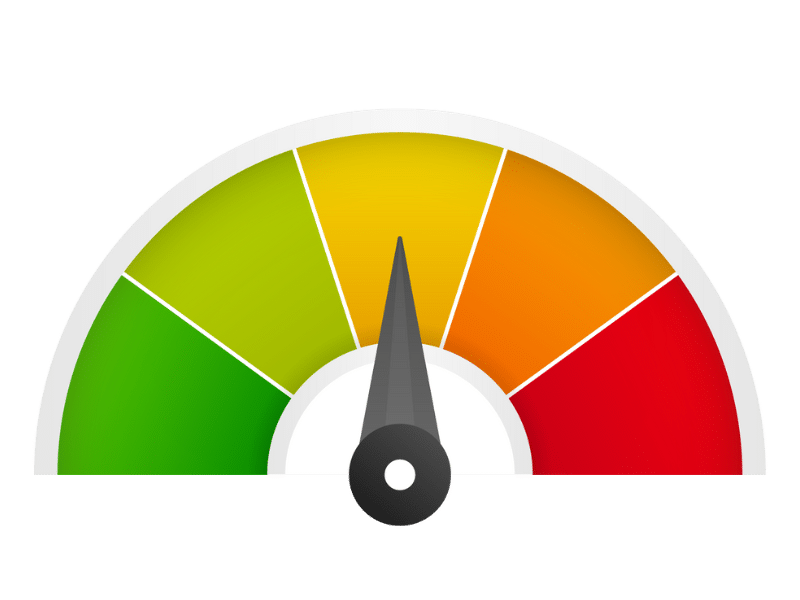
- FHA loans accept scores as low as 500 with a larger down payment.
- Many lenders approve buyers with scores in the 580–620 range.
- There are strategies to improve your credit while you prepare to purchase.
If your score isn’t where you want it to be, you can still move forward. Many lenders work with buyers to find the right loan program while helping them raise their scores for better terms later.
To learn more about how credit scores impact your loan options and how to prepare financially for homeownership, check out our full guide here: A Guide to Understanding Credit Scores, Loans, and Mortgages.
Myth #3: Renting is Always Cheaper Than Owning
Renting may seem easier—no maintenance costs, no property taxes—but is it really cheaper in the long run?
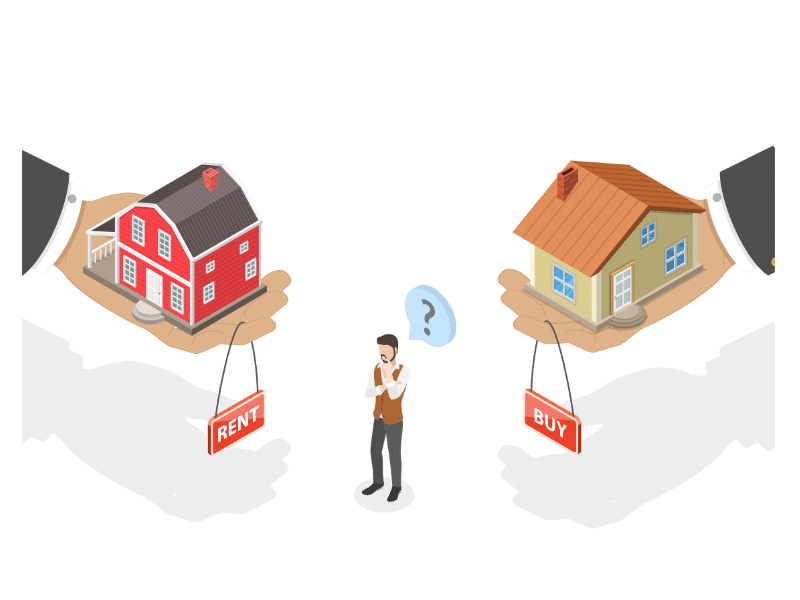
- Renting might make sense for short stays (under five years).
- Over time, owning builds equity and long‑term wealth.
- Homeowners can also benefit from tax deductions on mortgage interest and property taxes.
Quick math: Renting at ₱30,000 a month means spending ₱360,000 a year with nothing to show for it. That same amount as a mortgage payment builds equity and creates a financial foundation for your future.
Bottom line: When you rent, you’re paying your landlord’s mortgage. When you own, you’re investing in yourself.
To dive deeper into the long-term benefits of owning versus renting, check out our full breakdown here: Renting vs. Buying a Home.
Myth #4: It’s Better to Wait for Interest Rates to Drop

Many potential buyers hold off on purchasing, waiting for the “perfect time” when rates fall. But waiting often costs more than it saves.
- Buying now locks in today’s price—and if rates drop, you can refinance later.
- Higher rates mean less competition and more negotiating power.
- Home prices generally trend upward over time, meaning waiting could mean paying more.
Real‑world perspective: A buyer who waited for lower rates from 2020 to 2023 ended up paying hundreds of thousands more for the same home—even though rates dropped slightly.
Myth #5: The Home Buying Process is Too Overwhelming
The final myth? That buying a home is a confusing, stressful, and unmanageable process.
Here’s how to simplify it:
- Get pre‑approved with a trusted lender.
- Find a knowledgeable agent who understands your market.
- Search for homes that fit your budget and goals.
- Make an offer and complete inspections and appraisals.
- Close and celebrate your new home!
Breaking the process into these steps takes away the intimidation factor and helps you feel in control.